
Glutathione is often called the “Master Antioxidant”—and understanding the reasons for this title provides valuable insights into maintaining energy and improving the immune system.
But first, just what is an antioxidant?
In simple terms, an antioxidant is a molecule that prevents or slows damage to cells by neutralizing free radicals.
Free radicals are unstable atoms that have an “unpaired” electron. To stabilize themselves, they aggressively “steal” electrons from healthy cells, a process called oxidation—the biological equivalent of rust on a car.
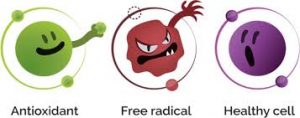
Antioxidants, most of which come from healthy foods, act as “electron donors.” They safely give an electron to the free radical to stabilize it, preventing it from attacking the body’s cellular DNA, proteins, or membranes.
In short, antioxidants are the body’s internal cleanup crew that stops the “chain reaction” of oxidative stress.
The “master”
In this mix is the master antioxidant, glutathione. It sits at the center of the body’s cellular energy and defense systems.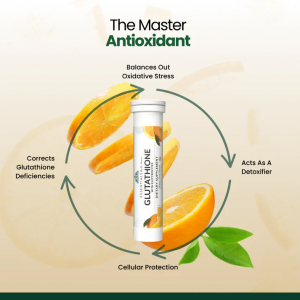 While other antioxidants—like vitamin and mineral antioxidants, enzymatic antioxidants and polyphenols—are also vital, glutathione is unique in a number of ways.
- Glutathione is endogenous: Unlike many other antioxidants that must be consumed through diet (like Vitamin C from citrus), glutathione is endogenous, meaning the body produces it within every single cell.
It is composed of three amino acids: cysteine, glutamate, and glycine and because it is made on-site, it is the first line of defense against oxidative stress right where the damage occurs.
- Glutathione has the ability to “recycle” other antioxidants: This is perhaps glutathione’s most famous trait. When antioxidants like Vitamin C or Vitamin E neutralize a free radical, they become “spent” or oxidized themselves. Glutathione has the unique ability to donate electrons to these spent antioxidants, effectively recharging them so they can go back to work.
This is a critical aspect of glutathione, because without this action the body’s supply of other antioxidants would be depleted much faster.
- Glutathione has a critical role in detoxification: Glutathione is highly concentrated in the liver. It performs a process called bioconjugation, where it binds to fat-soluble toxins, heavy metals, and pollutants. By attaching itself to these harmful substances, it transforms them into water-soluble compounds that can be safely excreted through urine or bile.
- Glutathione is a mitochondrial “protector”: The mitochondria (the power plants of the cells—produce energy but also create a lot of “exhaust” in the form of free radicals. Glutathione is one of the few antioxidants capable of entering the mitochondria to neutralize this byproduct. This action prevents damage to mitochondrial DNA and maintaining energy production.
- Glutathione is an immune system regulator:
Glutathione acts as a signaling molecule for the immune system. It helps modulate the behavior of white blood cells, particularly T-cells, ensuring they proliferate correctly when the body is under attack.
Final word
 In the broad sense, there are thousands of different antioxidants; however, they are usually categorized into a few main families based on their chemical structure and where they come from.
For example, scientists have identified over 8,000 different polyphenols alone (the antioxidants found in plants), and new ones are discovered regularly as researchers map the chemistry of various “superfoods” and medicinal herbs.
While it’s essential to consume a variety of antioxidants, some are more consequential. Most people have an idea what happens to the human body when it’s deprived of Vitamin C—an essential antioxidant as well as an essential vitamin. Glutathione is in this critical class: it is the master antioxidant that “manages” other antioxidants, promotes cellular energy, and empowers the immune system! This is one nutrient we recommend for those wanting to experience, “the best performance of their life!”
God bless,
DrB