
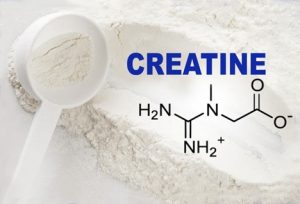
New studies show creatine can be a “strategic tool” for both body and brain
Two new creatine studies are part of an evolving shift in how sports and nutritional scientists view creatine’s “pharmacokinetics.”
Pharmacokinetics refers to the concept that the extracellular availability of creatine can have immediate, systemic effects beyond just long-term muscle saturation.
The new studies offer a different way of looking at creatine use that varies from the long held (and research-backed) practice of utilizing a “load up” phase at the commencement of a supplement regimen.
Researchers involved in the two studies weren’t trying to challenge the effectiveness of this thinking; however, they were hypothesizing that there can be more immediate benefits in short term use.
The researchers suggested that if the bloodstream was flooded with a high enough concentration of creatine, it could be forced into tissues that are under “metabolic stress.” In one study that stress was represented by “brain stress” caused by sleep deprivation. In the other study, it was “muscle stress” caused by a heavy lifting.
Ultimately the theorizing was substantiated by two research projects—with both finding positive metabolic “buffering” benefits for acute use of creatine.
Sleep Deprivation Support study
This double-blind, randomized control trial included 29 subjects and was conducted by a team based primarily at the University of Düsseldorf, Germany.
The researchers compared cognitive outcomes of test subjects taking a creatine supplement to a placebo group. This was done across multiple sessions of sleep deprivation.
They focused on neurological markers, using high-tech imaging (MRS scans) to track how creatine affects brain metabolism when a person is sleep-deprived.
Their findings, published in Nutrients in April 2026, were pivotal in showing how high-dose, acute creatine supplementing was able to help buffer the brain against the metabolic “fog” of sleep deprivation.
 Resistance Training Support study
This study, also a randomized placebo-controlled trial, was conducted by researchers primarily based at University of Sfax in Tunisia. The small-scale “pilot trial” was conducted with a focus on physical performance and blood biomarkers in 11 physically active men.
Besides utilizing the placebo-controlled crossover design to test creatine’s affect on acute physical performance, the researchers went a step further by including five different conditions: creatine before, during, after, placebo, and a no-supplement control.
While noting their pilot trial was exploratory, the researchers concluded: “Pre-exercise creatine ingestion (without loading phase) was associated with greater acute strength performance compared with other timing conditions.”
The study was published in Nutrients in June 2026.
Parallels
The fact that two different, high-quality research teams—one focused on the brain and one on physical performance, are both finding that acute, single-dose interventions have measurable, positive effects in high-stress scenarios is a very strong signal to supplement manufacturers and consumers.
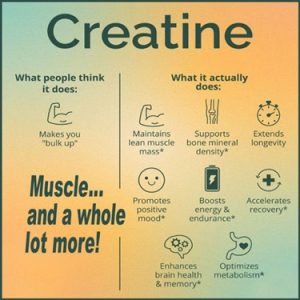
One researcher noted the two studies represent a subtle shift where creatine is being re-positioned from “bodybuilder supplement” to “general metabolic stabilizer.”
The two studies together not only reinforce the long-proven effectiveness of creatine but also offer new evidence: Whether it’s cognitive endurance or physical power output, “Acute Availability” aka creating a spike of creatine in one’s bloodstream right when it’s needed—can provide immediate, measurable benefits.
This shifts the conversation from “I need to take creatine for a month before it works” to “I can use creatine as a strategic tool when my body or brain is under high metabolic demand.” Which begs the question, can creatine help me experience “the best performance of my life?” ABSOLUTELY!
God bless,
DrB
Sources: Nutrients (sleep support study), Nutrients (muscle support study).